
“Hata Roque-etzé”: The dance of father Roque
16 de Agosto
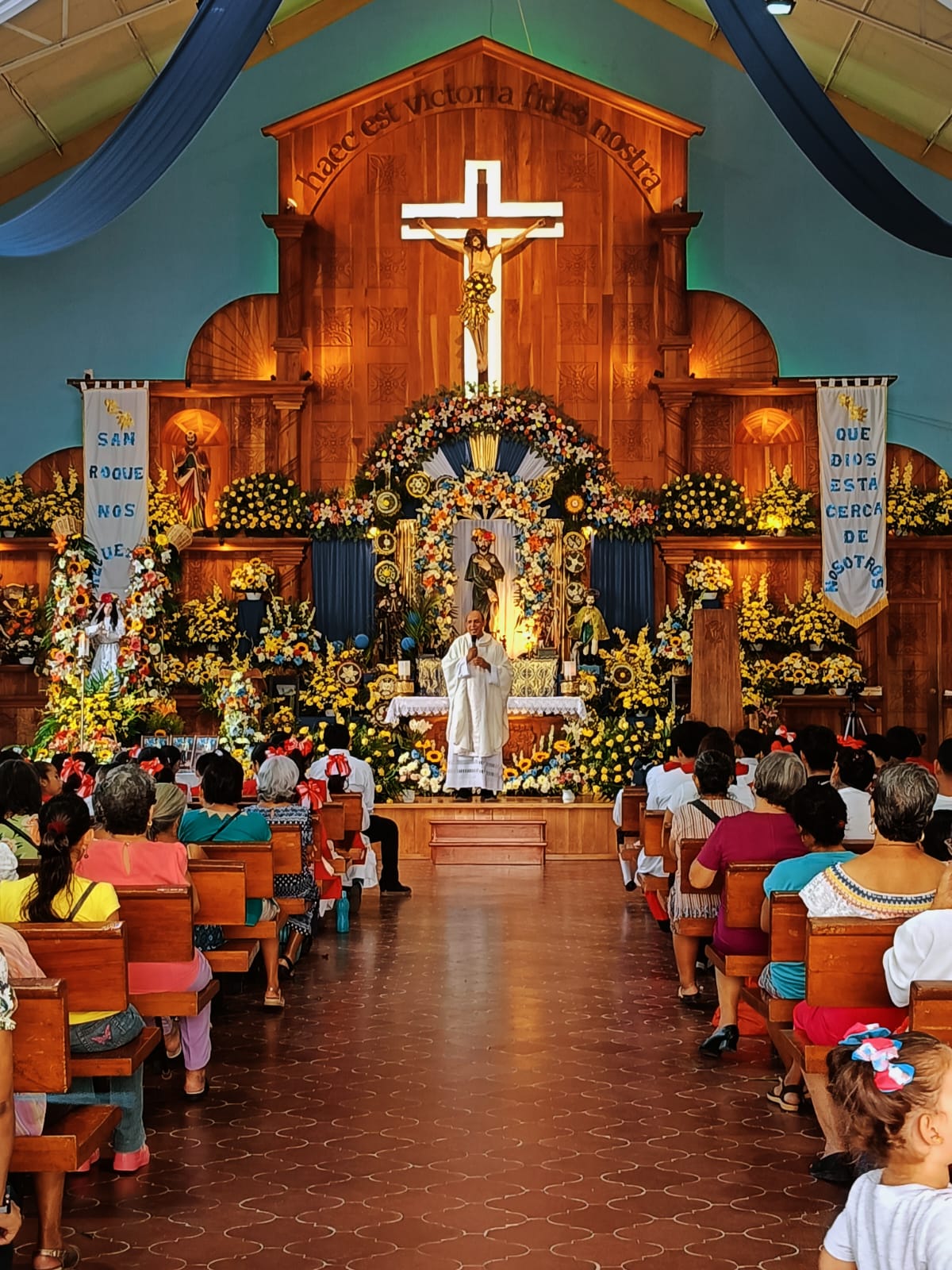
Parish of Saint Roch and Saint Bartholomew the Apostle, Tuxtla Gutiérrez
Known in the Zoque language as Hata Roque-etzé, the Dance of Father Roque is one of the most representative cultural expressions of the Zoque heritage in Chiapas. This traditional dance forms part of the religious celebrations honoring Saint Roch, Saint Hyacinth, and Saint Bartholomew, taking place on August 16, 17, and 24, respectively.
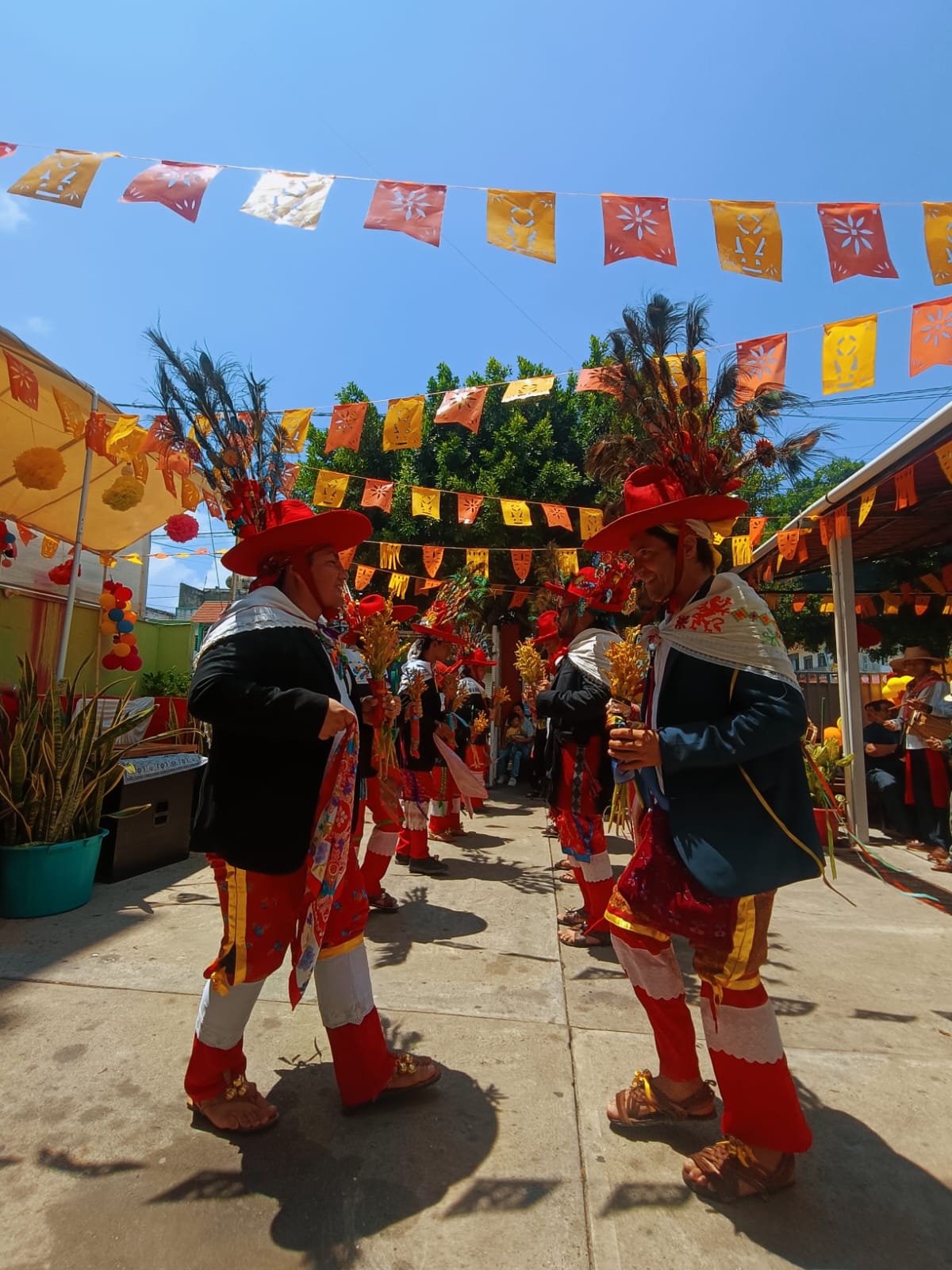
The tradition reflects the historical encounter between Indigenous customs and the evangelization process that shaped the region during the seventeenth and eighteenth centuries. Through symbolic movements, ceremonial music, and community participation, the dance preserves ancestral knowledge passed down through generations, strengthening the cultural identity of the Zoque people of Tuxtla Gutiérrez.
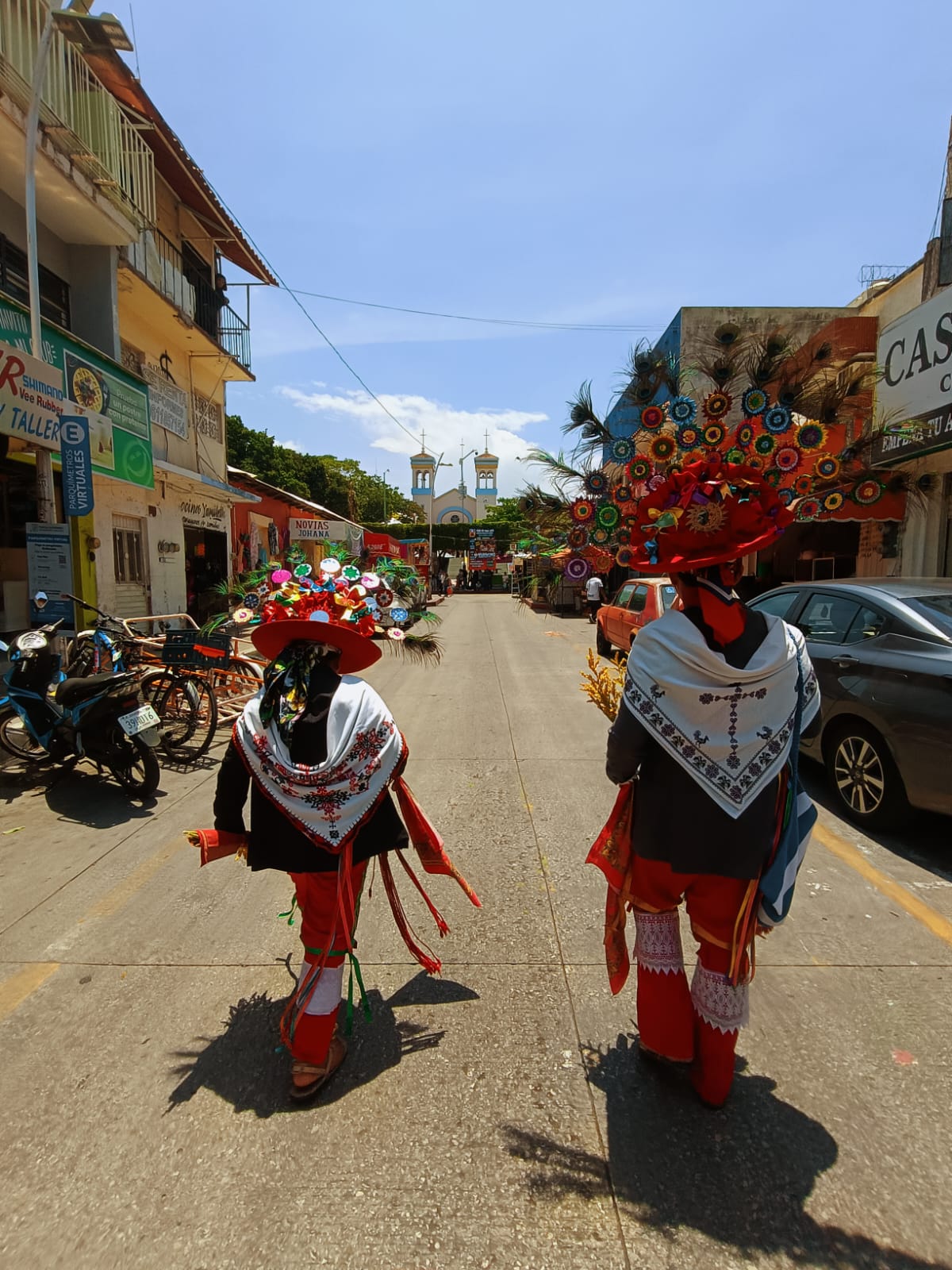
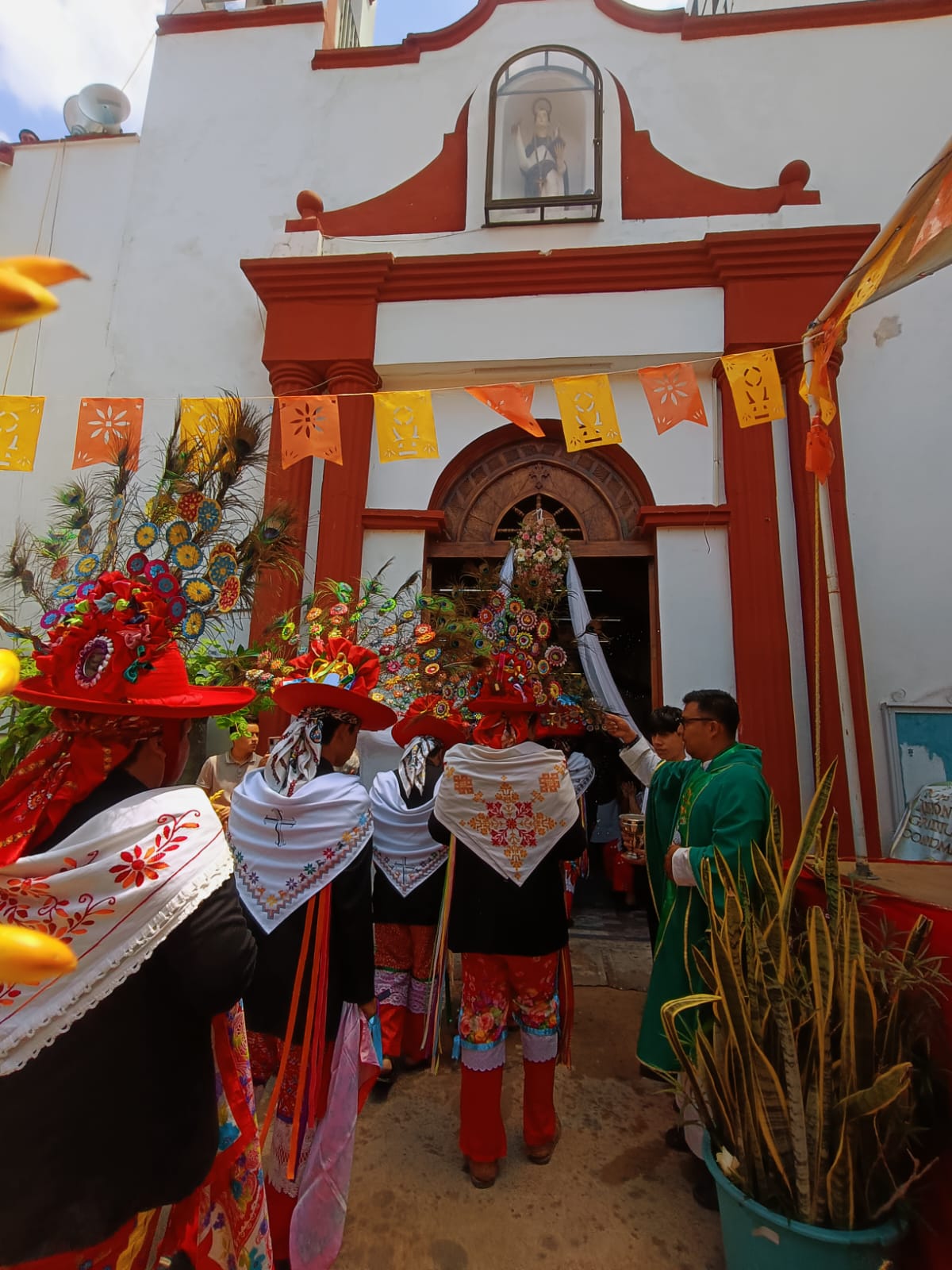
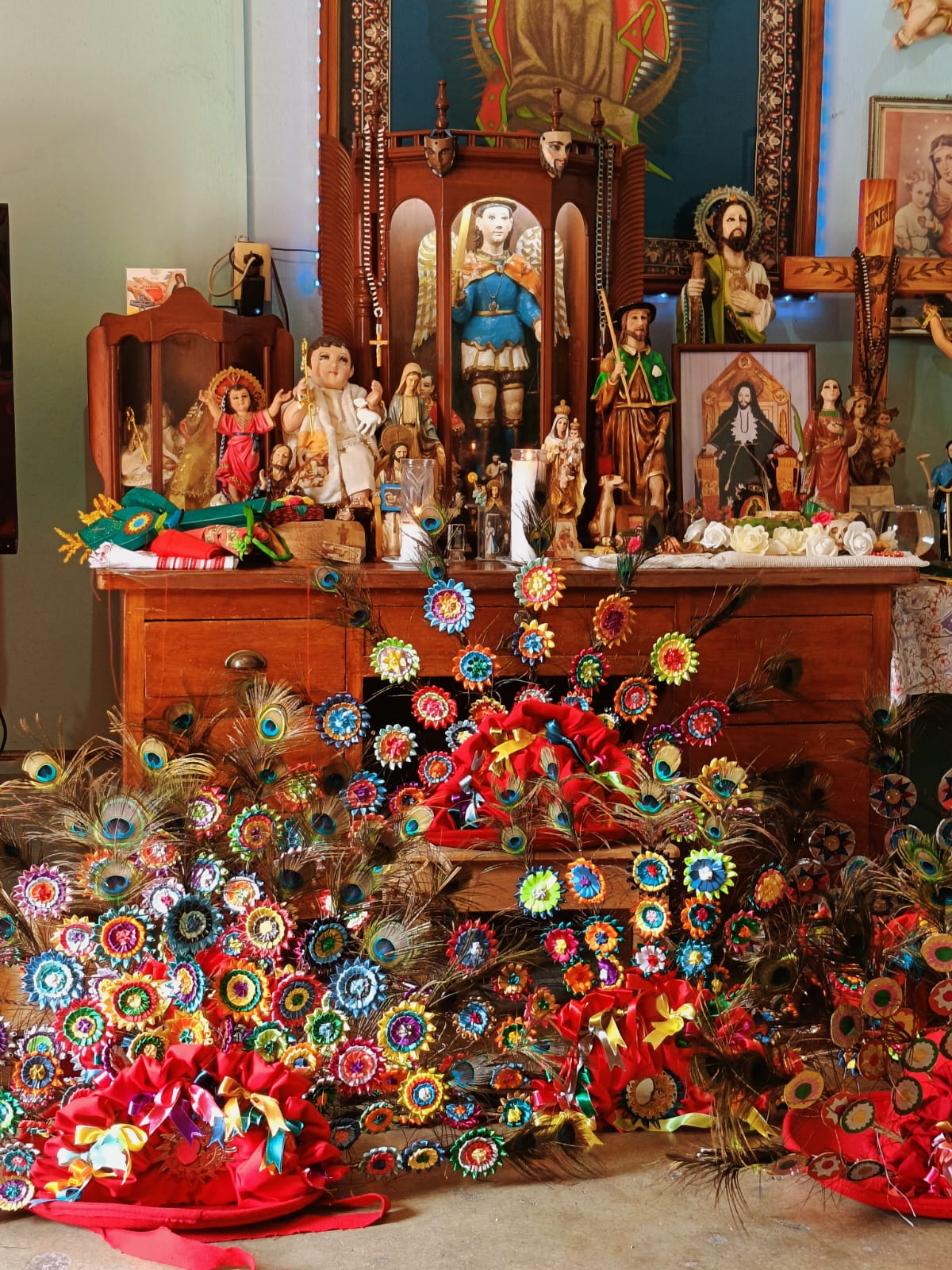
The celebration begins at the Parish of Saint Roch and Saint Bartholomew the Apostle, located in the historic San Roque neighborhood, one of the oldest districts in the city. From there, dancers visit homes where images of the saint are safeguarded, accompanied by traditional caretakers, stewards, and host families who keep the custom alive.
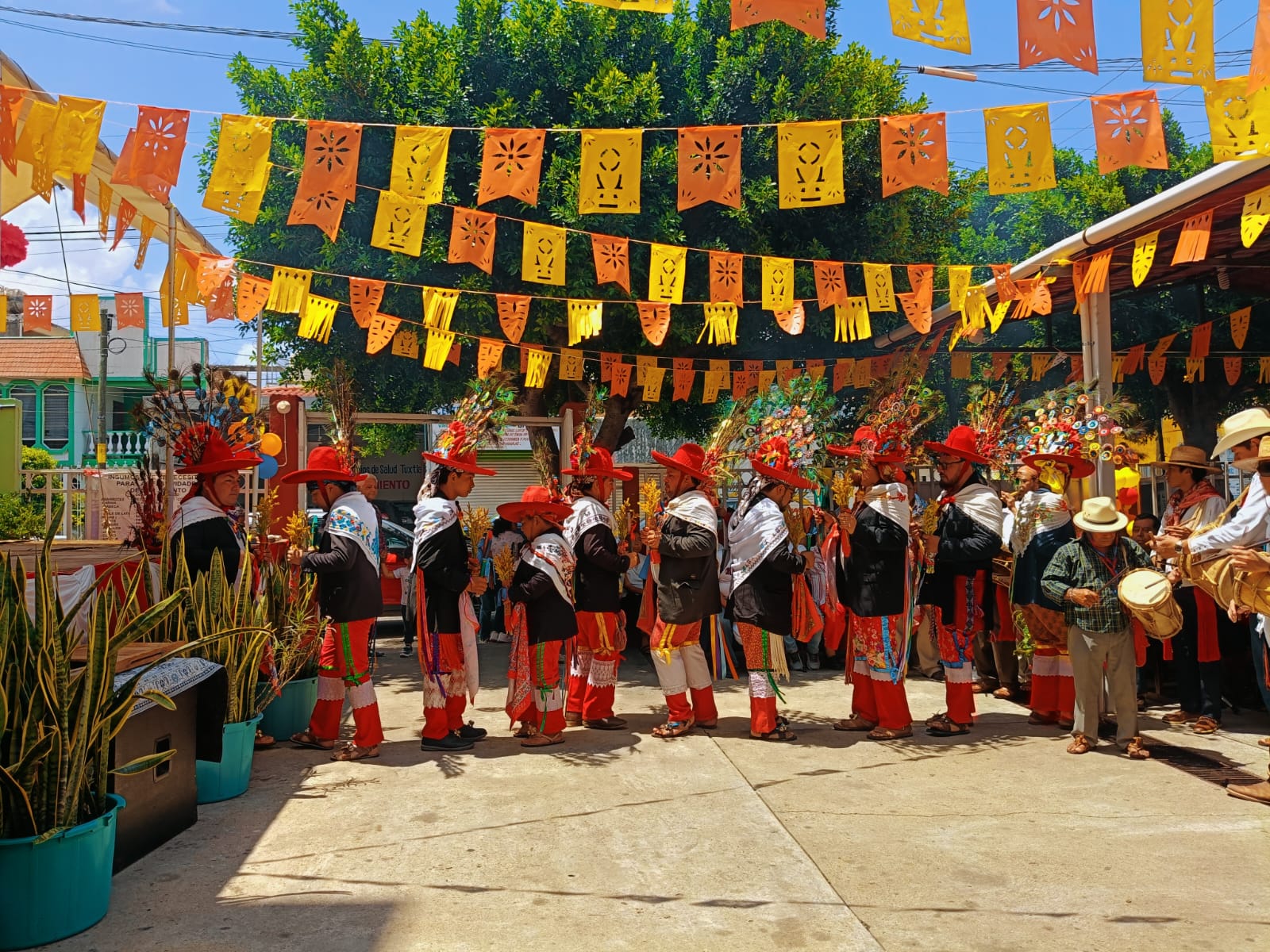
The music has a solemn and ceremonial character and consists of seven traditional melodies performed with a drum and a reed flute, instruments that define the rhythm and spiritual essence of the celebration.
Participants wear attire inspired by the colonial period, including hats, jackets, and a flower representing the fleur-de-lis, a symbol associated with the social elites of that era. Their clothing is completed with a garment similar to a mantilla, widely worn during colonial times.
The Dance of Father Roque is a living expression of Chiapas’ cultural heritage, where history, faith, music, and tradition come together to preserve one of the most authentic manifestations of Zoque identity.
The tradition reflects the historical encounter between Indigenous customs and the evangelization process that shaped the region during the seventeenth and eighteenth centuries. Through symbolic movements, ceremonial music, and community participation, the dance preserves ancestral knowledge passed down through generations, strengthening the cultural identity of the Zoque people of Tuxtla Gutiérrez.
The celebration begins at the Parish of Saint Roch and Saint Bartholomew the Apostle, located in the historic San Roque neighborhood, one of the oldest districts in the city. From there, dancers visit homes where images of the saint are safeguarded, accompanied by traditional caretakers, stewards, and host families who keep the custom alive.
The music has a solemn and ceremonial character and consists of seven traditional melodies performed with a drum and a reed flute, instruments that define the rhythm and spiritual essence of the celebration.
Participants wear attire inspired by the colonial period, including hats, jackets, and a flower representing the fleur-de-lis, a symbol associated with the social elites of that era. Their clothing is completed with a garment similar to a mantilla, widely worn during colonial times.
The Dance of Father Roque is a living expression of Chiapas’ cultural heritage, where history, faith, music, and tradition come together to preserve one of the most authentic manifestations of Zoque identity.
Photos by Juan Alejandro Sarmiento Ochoa.