
04 de Junio
Suchiapa
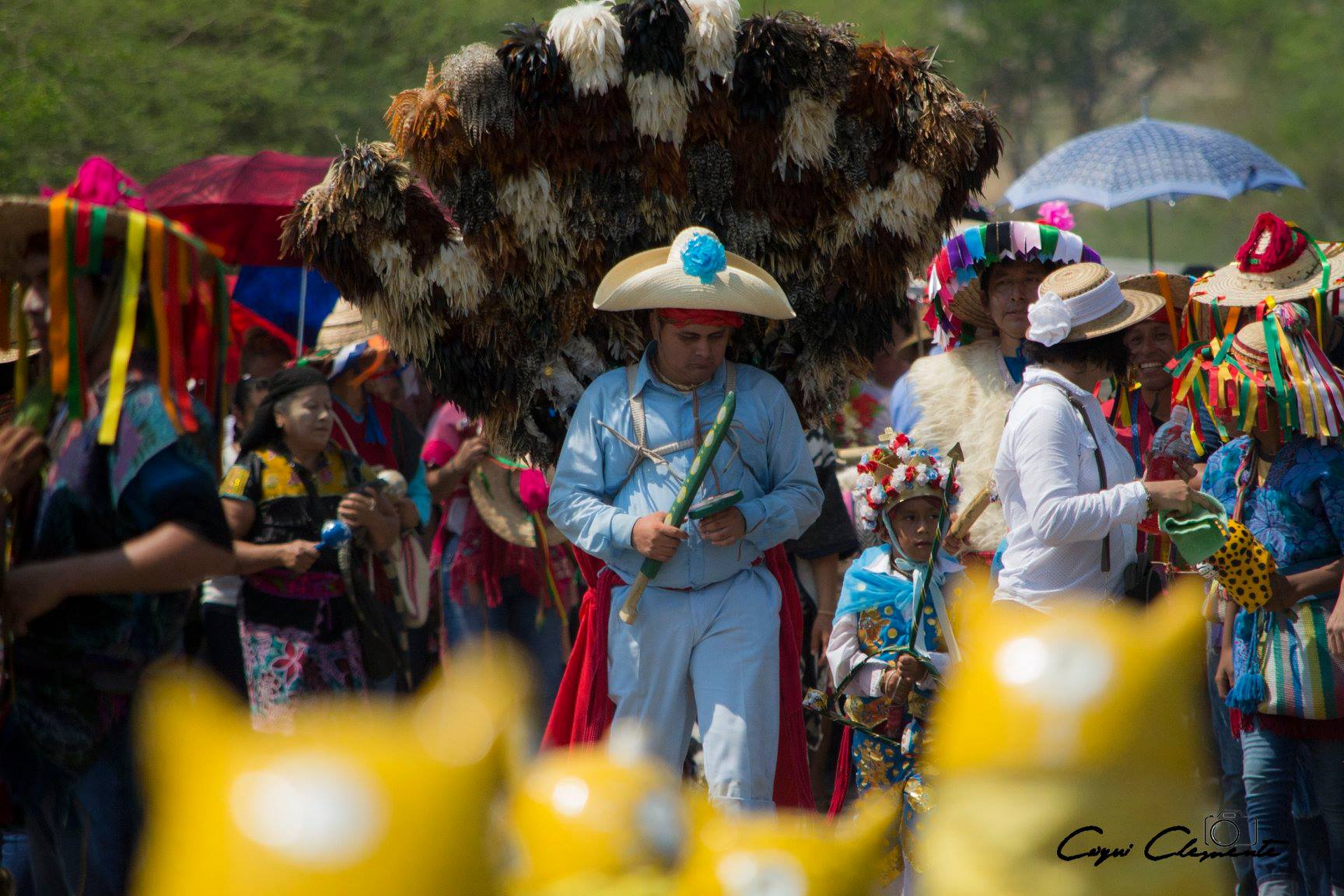
This occasion marks the performance of the Calalá Dance. Documented since the colonial period, this dance originates in pre-Hispanic times and represents Quetzalcóatl, who carries—on his shoulders, back, or waist—a feathered serpent head and holds a machete to fight the jaguars, symbolizing a struggle between the sky and the underworld.
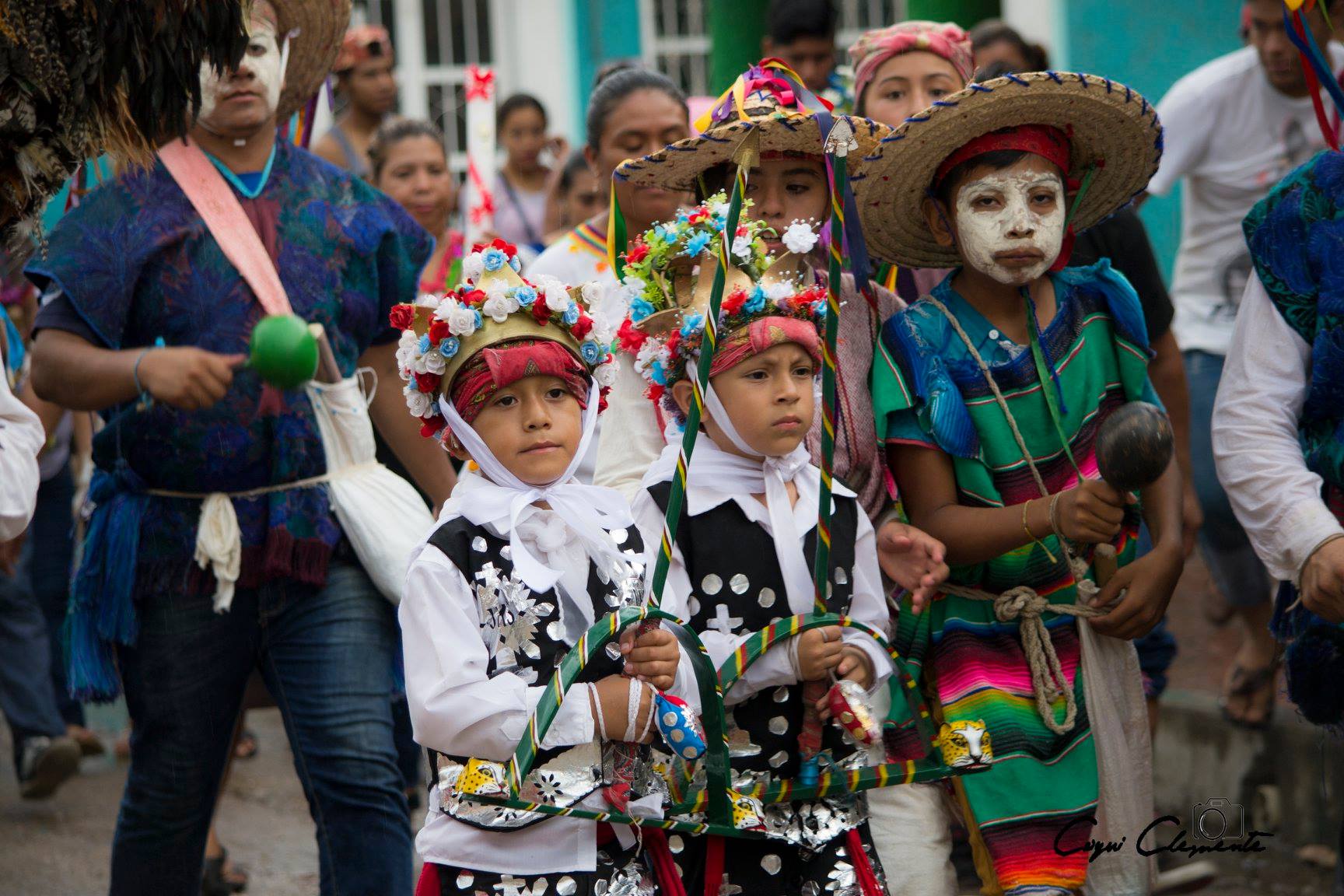
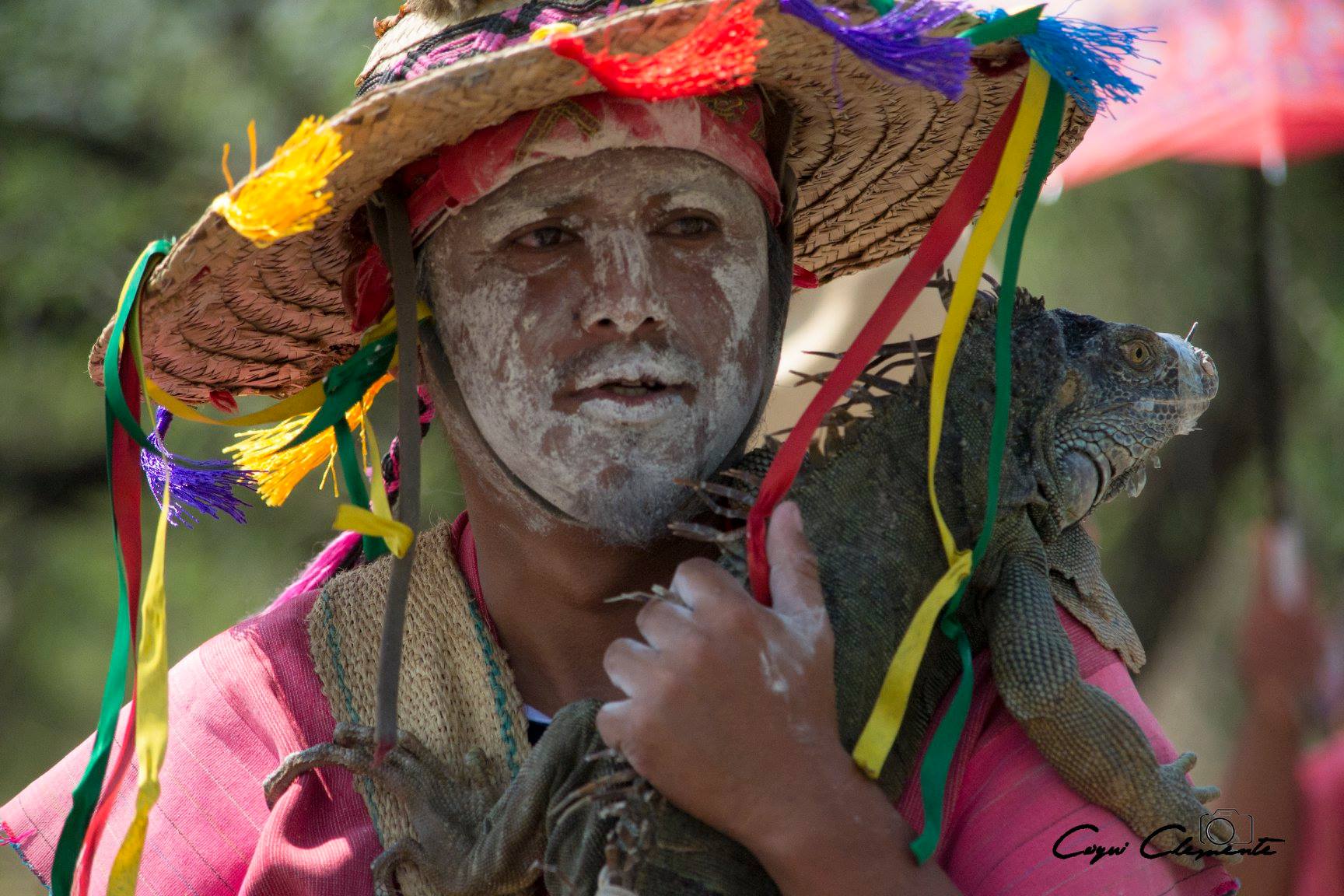
Young people and children participate, dressed in the traditional clothing of the Tsotsil people of Chiapas. Some wear live iguanas on their heads or carry them in their arms.
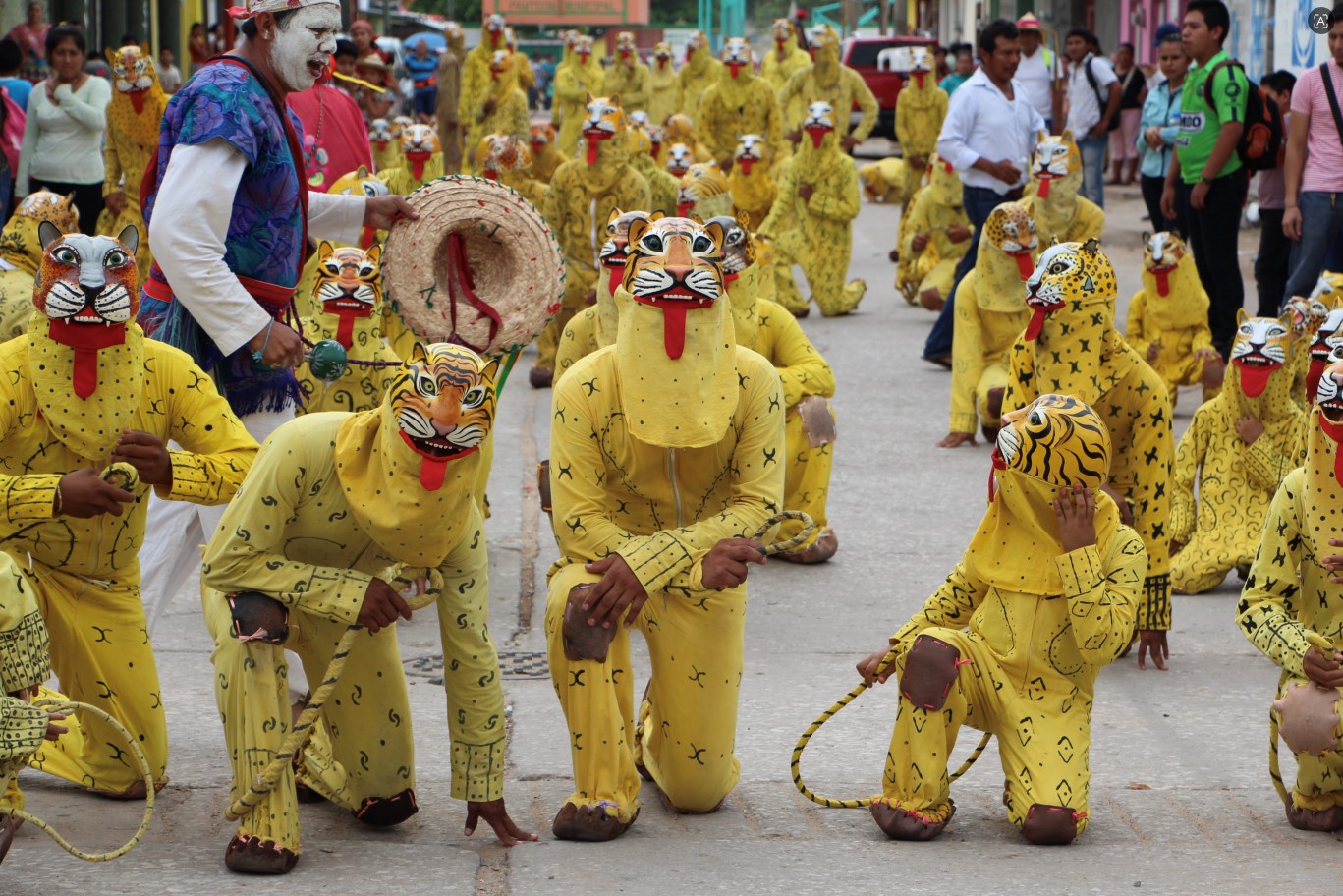
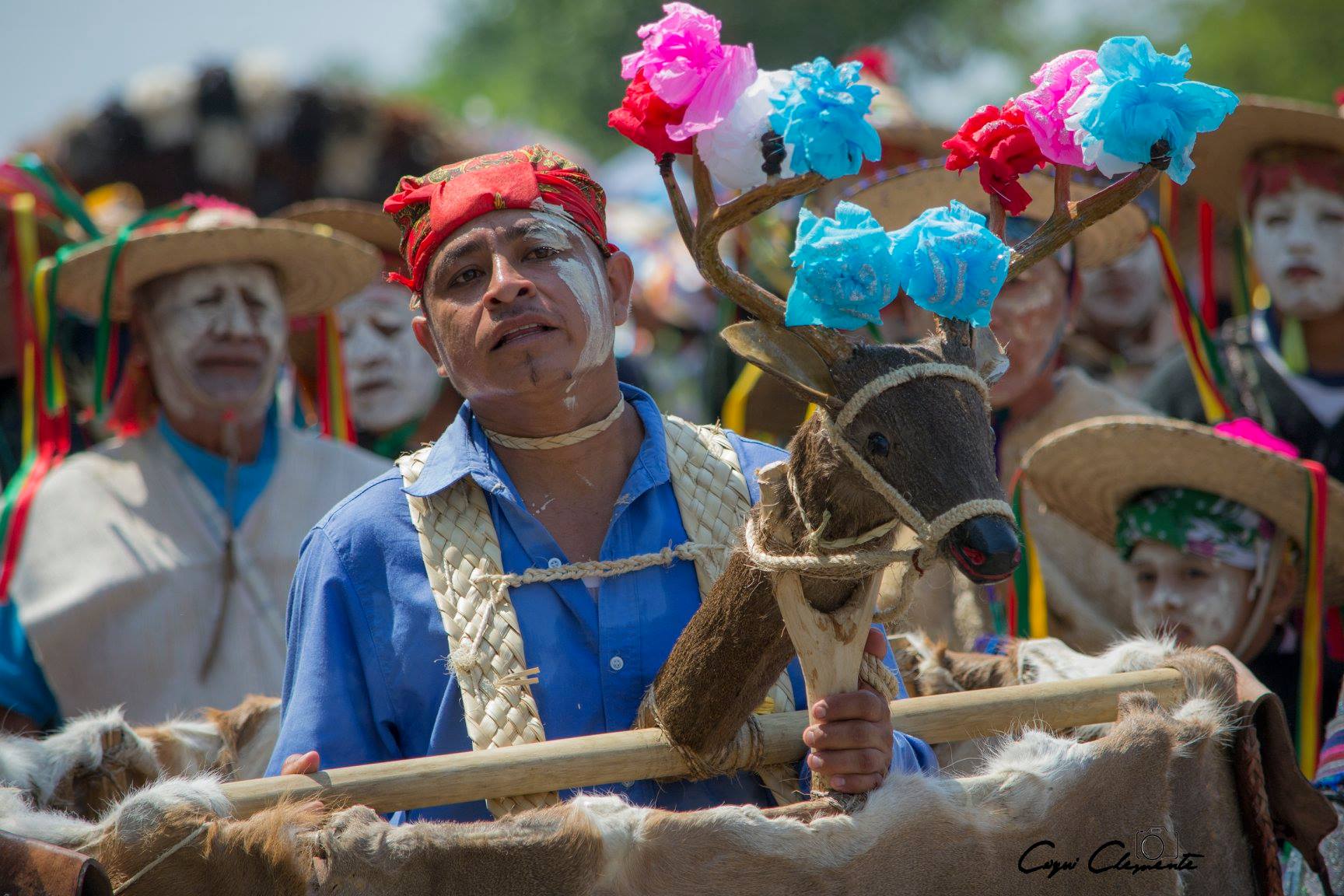
The dance features characters such as the giant, the little giant, the deer, the tigers, and the Chamulas, each with distinctive attire.
Within the dance, the Calalá—the deer—performs, while the Chamulas chase the giant—the feathered serpent—and the little giant. The tigers mostly observe, though at times the Chamulas attempt to harm them, forcing them to flee. The performance is highly colorful and is repeated in each procession, allowing it to be seen multiple times throughout the day.
The version of the dance seen today, as well as the entire festivity, is the result of a blending of eras and cultures. The music accompanying the dance is performed with drum and reed flute and has been explained as part of an ancient ritual invoking the rain gods. This celebration, and the dance in particular, clearly relates to pre-Hispanic heritage, colonial influences, and more recent traditions.
In pre-Hispanic times, the dance was performed to defeat evil and to pray for a good harvest season. With colonization, the celebration was adapted to the observance of Corpus Christi, and today the Calalá is also linked to a more recent historical narrative.
Young people and children participate, dressed in the traditional clothing of the Tsotsil people of Chiapas. Some wear live iguanas on their heads or carry them in their arms.
The dance features characters such as the giant, the little giant, the deer, the tigers, and the Chamulas, each with distinctive attire.
Within the dance, the Calalá—the deer—performs, while the Chamulas chase the giant—the feathered serpent—and the little giant. The tigers mostly observe, though at times the Chamulas attempt to harm them, forcing them to flee. The performance is highly colorful and is repeated in each procession, allowing it to be seen multiple times throughout the day.
The version of the dance seen today, as well as the entire festivity, is the result of a blending of eras and cultures. The music accompanying the dance is performed with drum and reed flute and has been explained as part of an ancient ritual invoking the rain gods. This celebration, and the dance in particular, clearly relates to pre-Hispanic heritage, colonial influences, and more recent traditions.
In pre-Hispanic times, the dance was performed to defeat evil and to pray for a good harvest season. With colonization, the celebration was adapted to the observance of Corpus Christi, and today the Calalá is also linked to a more recent historical narrative.