
02 de Febrero
Parroquia de Nuestro Señor Jesucristo de Acapetahua
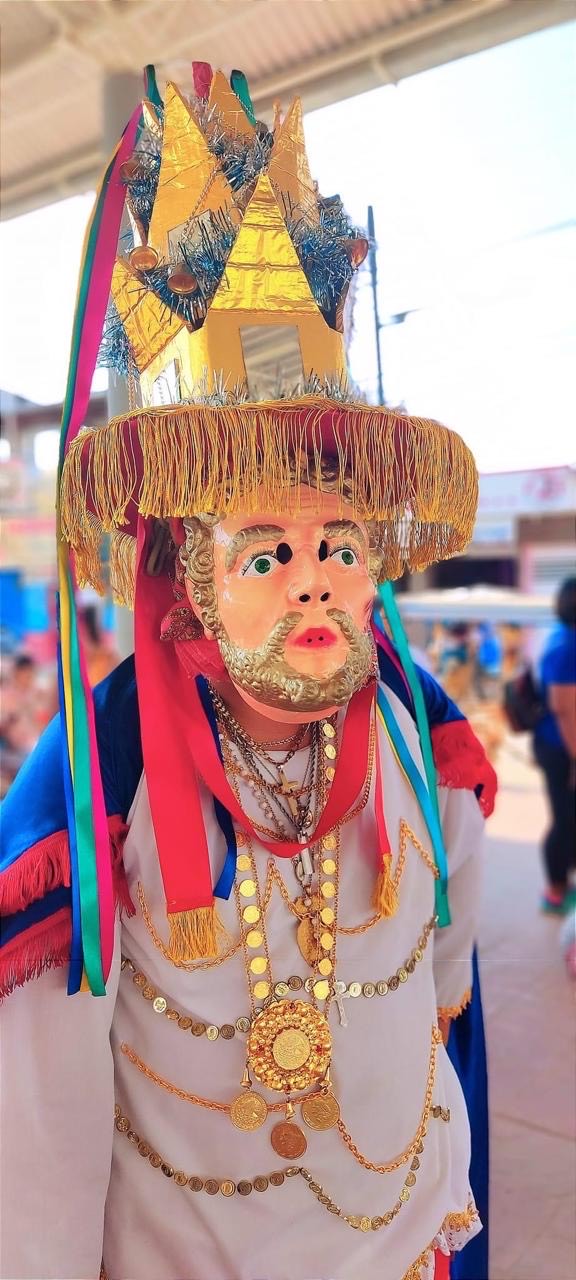
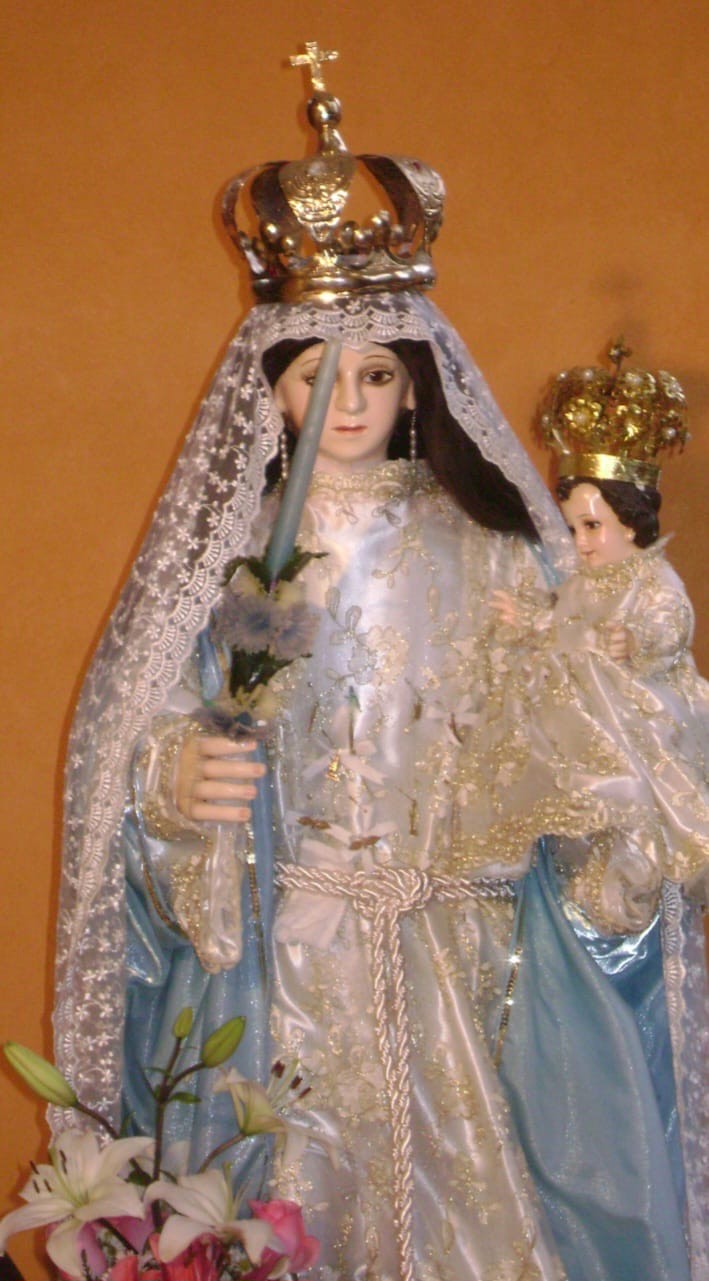
In Acapetahua, the celebration of Candelaria Day begins in early January with prayers to the Virgin. Godmothers bring flowers to the church, accompanied by their guests and music on the day assigned to each of them. Those who will participate in the “Moors and Christians” dance also begin rehearsals in the first days of January, as every member of the cast must memorize the narratives. Traditional characters guide newcomers in how to perform before the public.
Beforehand, each character seeks a person who will dress and care for them—this is traditionally a woman who escorts them to their performance spot, keeps a chair ready for them to rest after each scene, and ensures their comfort. According to Acapetahua’s chronicler, Armando Palacios Vázquez, the dance has two versions: one featuring Princess Flor Hipe, daughter of the Moorish king, and another centered around the character of Roldán.
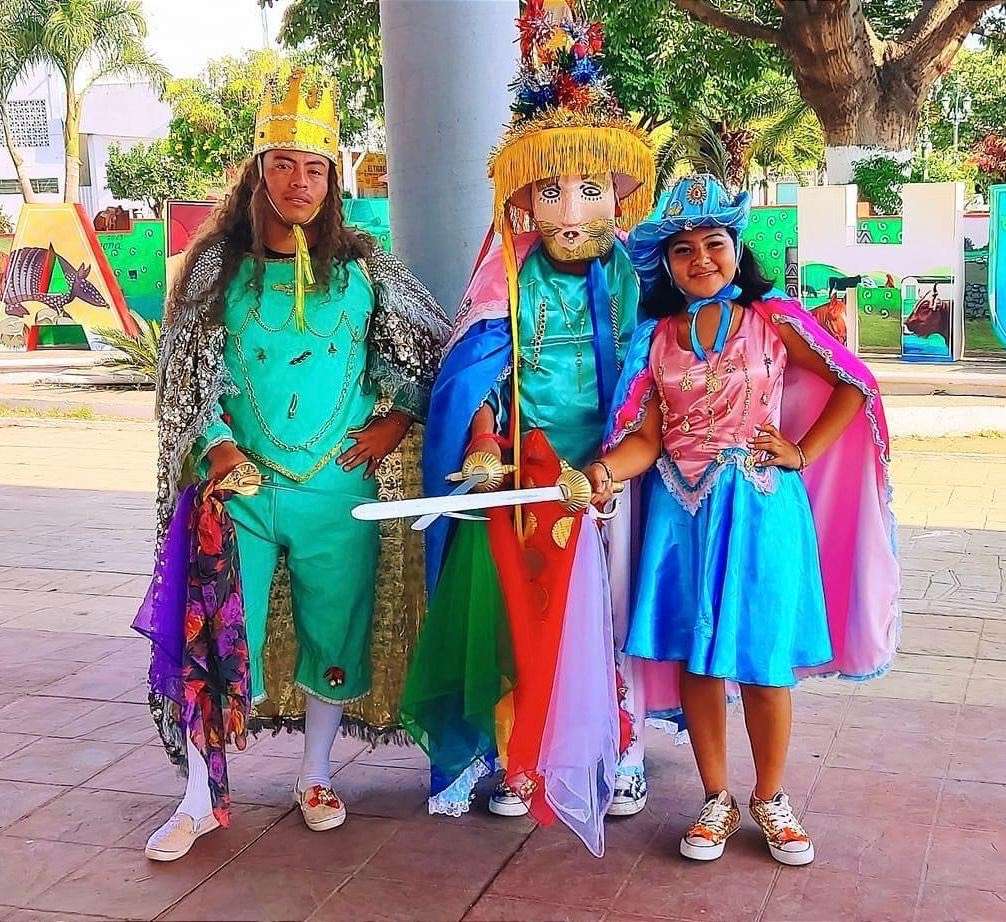
The Christian side includes: King Charlemagne, Captain Oliveros, Count Reiner, Roldán the Ambassador, Guide Gorgonia, Ricarte of Normandy, and Tamborcillo, the King’s jester, affectionately called Chavarico by the townspeople. The Moorish side features: Admiral Balan, Prince Fierabrás, Princess Flor Hipe (daughter of King Balan), King Clarión, King Sortibran, King Audalá, and Brulante, the Moorish jester.
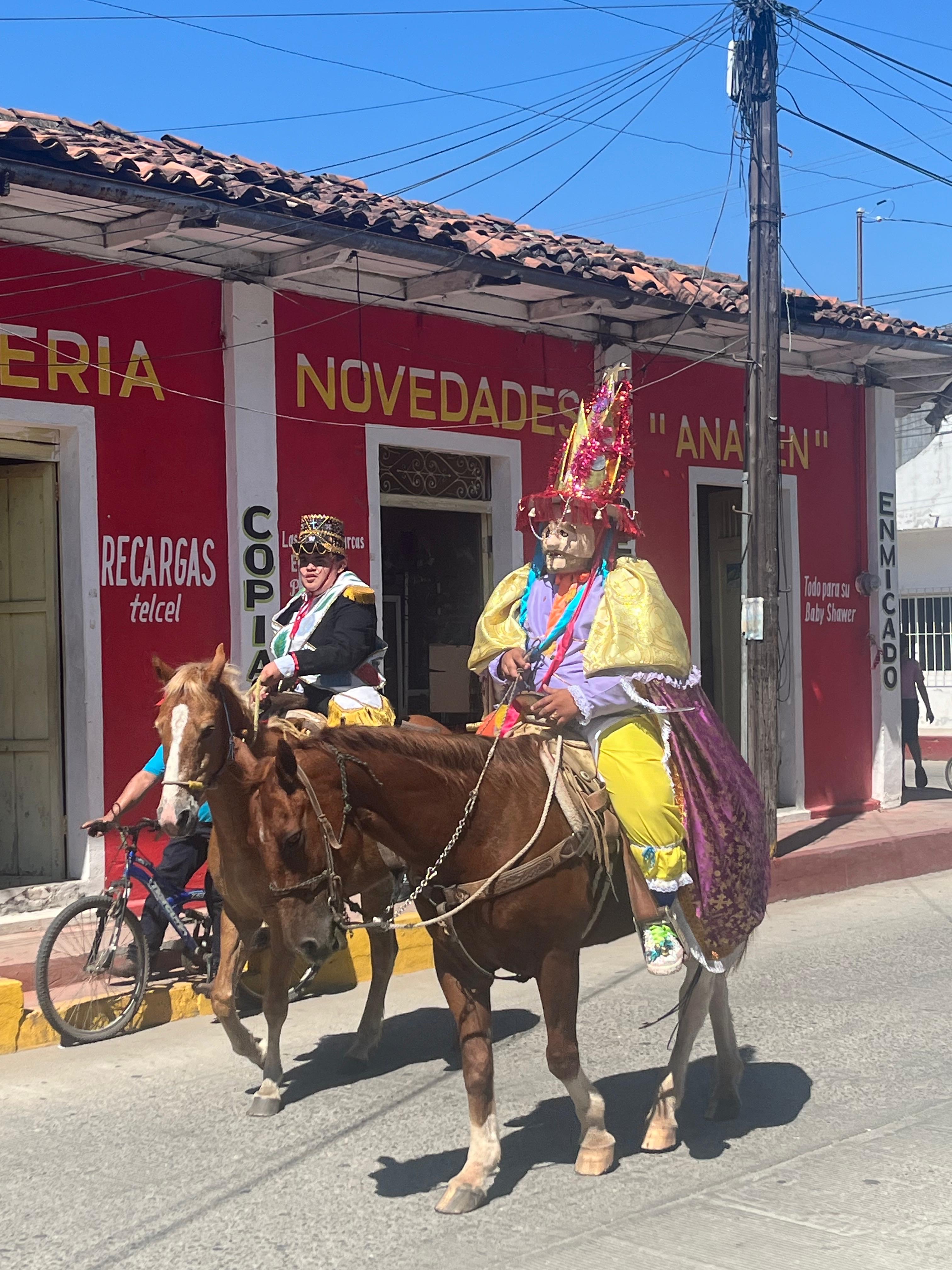
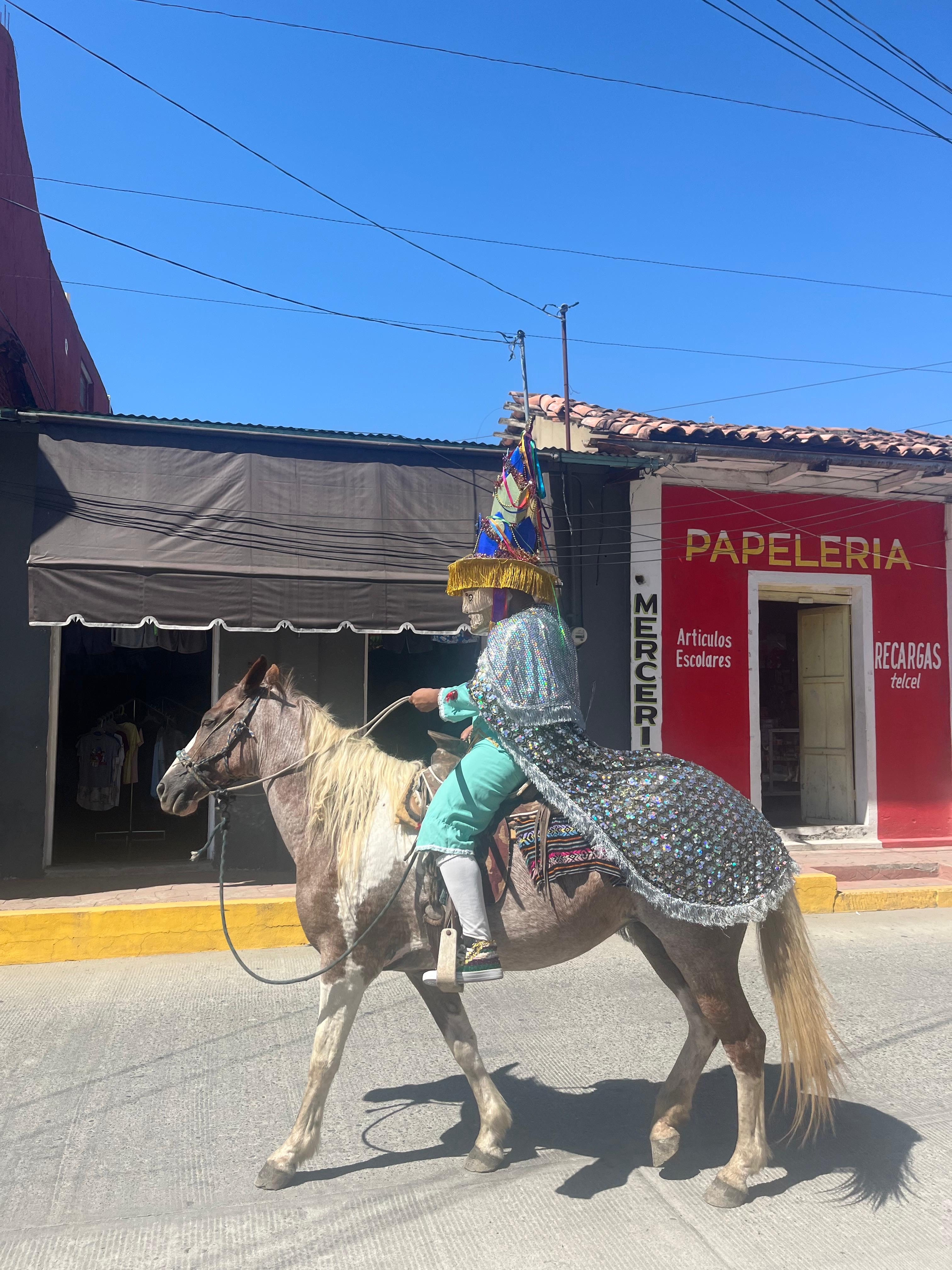
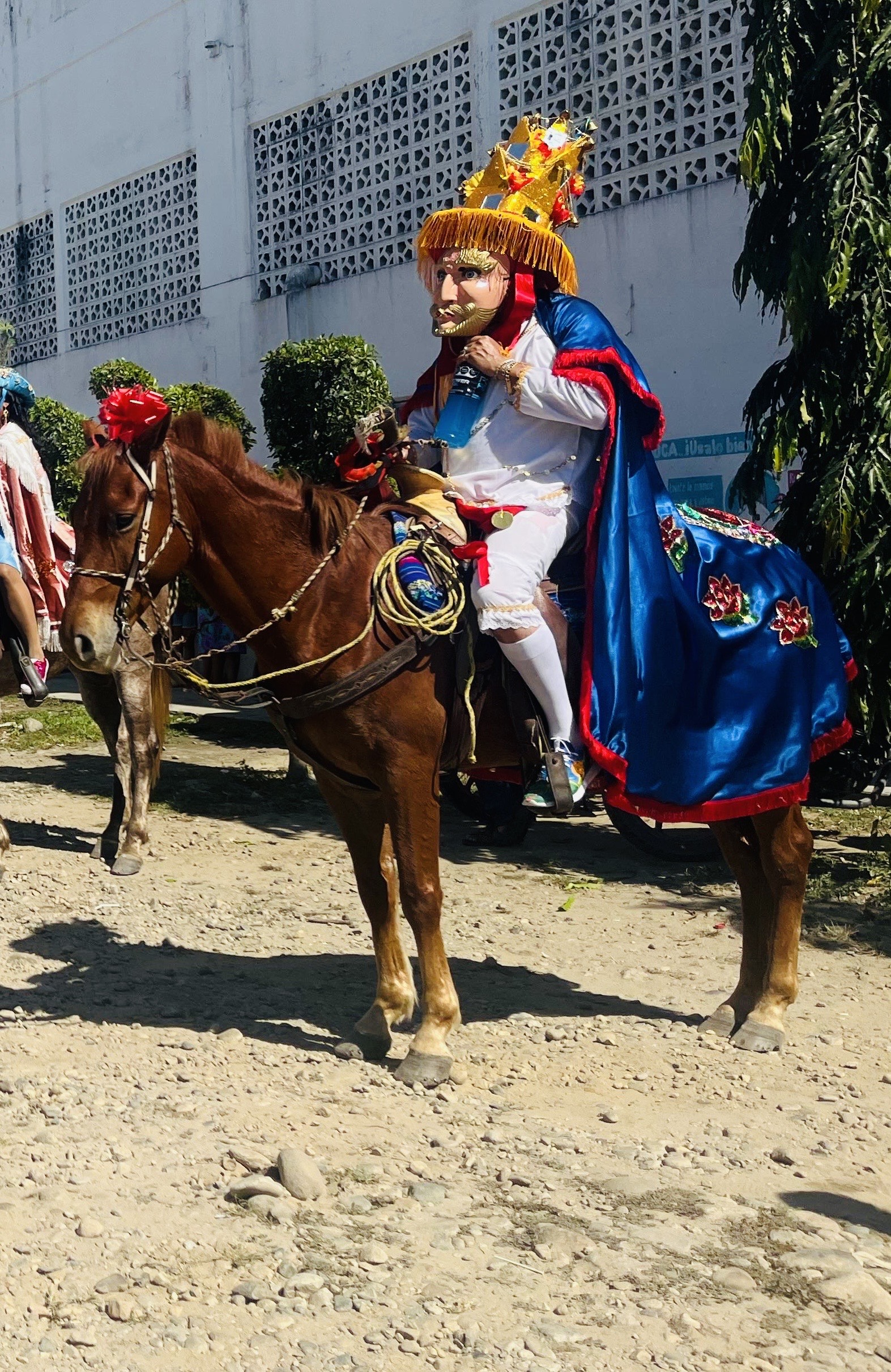
The Candelaria festivities span two or three days, with the dance performed first in the church for the Virgin, then at the steward’s home, and later wherever requested. On the first day, the characters ride horses to the challenge; the next day, they go on foot to the battlefield. Eight days later, they perform once more in a farewell known as the ochavario.
The dance lasts approximately two hours, as each character must deliver spoken lines.
This tradition arrived in Acapetahua around 1937, initiated by the Ruiz brothers. It is held annually on February 1st and 2nd. Key figures in organizing the celebration are the stewards, chosen each year at the end of the festivities. These are popular Catholic celebrations, although the Catholic Church does not participate in their organization.
Beforehand, each character seeks a person who will dress and care for them—this is traditionally a woman who escorts them to their performance spot, keeps a chair ready for them to rest after each scene, and ensures their comfort. According to Acapetahua’s chronicler, Armando Palacios Vázquez, the dance has two versions: one featuring Princess Flor Hipe, daughter of the Moorish king, and another centered around the character of Roldán.
The Christian side includes: King Charlemagne, Captain Oliveros, Count Reiner, Roldán the Ambassador, Guide Gorgonia, Ricarte of Normandy, and Tamborcillo, the King’s jester, affectionately called Chavarico by the townspeople. The Moorish side features: Admiral Balan, Prince Fierabrás, Princess Flor Hipe (daughter of King Balan), King Clarión, King Sortibran, King Audalá, and Brulante, the Moorish jester.
The Candelaria festivities span two or three days, with the dance performed first in the church for the Virgin, then at the steward’s home, and later wherever requested. On the first day, the characters ride horses to the challenge; the next day, they go on foot to the battlefield. Eight days later, they perform once more in a farewell known as the ochavario.
The dance lasts approximately two hours, as each character must deliver spoken lines.
This tradition arrived in Acapetahua around 1937, initiated by the Ruiz brothers. It is held annually on February 1st and 2nd. Key figures in organizing the celebration are the stewards, chosen each year at the end of the festivities. These are popular Catholic celebrations, although the Catholic Church does not participate in their organization.